
Exhibition:
Ambulare
Photographer: Kevin Brown
Keywords:
ambulare, flaneur, kintsugi, peripatetic, sakura, serendipity, ukiyo, wabi-sabi
Welcome to the Museum:
Thank you for exploring! The Museum of Digital Photography is a home for explorers—explorers who are peripatetic (that means liking to walk around) and who possess an image-lust that compels them to pause in front of a decaying wall and photograph the plant that is growing out of a crack…long ago eschewing the embarrassment that might be a result of the odd stare or strange look the photographer frequently occasions. If this sounds like the type of place you would like to hang out in, then please sign up for a newsletter or participate in a call for submissions! Stay focused…or don’t! But continue to explore and make art!
Overview of the Exhibition:
Ambulare—Latin for movement on foot or walking—is an exhibition of Tokyo’s cracks and fallen sakura petals. It is rust. It is, essentially, wabi-sabi. Taken over a period of 10 months, the work showcases an extremely curated set of images from the photographer that helped anchor him in the zero-gravity of a floating year in a floating world. The artist lived in Japan in 2003 and was administratively responsible for hosting marketing previews and teaching test preparation classes for students poised for their own trans-Pacific journeys as graduate students in the United States. On days off, the artist walked around Tokyo. A lot.
Ukiyo is a style of woodblock cutting that depicts the pleasures of a bygone era in Japan. An ethos of pleasure and entertainment is ironically rendered in an artform, woodblock prints, that is painstaking and more about attainment (of a creative skill) than entertainment. This paradox is just another that can be added to the list of Ruth Benedict, whose book The Chrysanthemum and the Sword is on the reading list of almost every American who finds herself or himself living in Japan. The book is famous for positing the idea of Japan as a land of paradox—where point and counterpoint seem to maintain a consistent cultural equilibrium while providing an equally consistent bounty of surprises for an outsider who peels away the layers.
The artist began a photographic journey of his own. As is often the case, a muse becomes a companion…the art of freedom is really what digital photography is about…freedom to take as many images as one wants…of whatever one wants…whenever and wherever. Curation becomes more important than ever in an era of abundance. As muse, digital photography meant abundance. But as a companion, digital photography compensated for loneliness…time can have wide, yawning gaps of emptiness when you are abroad. Family is far away. Friends are few and far between.
But like the crack in a wall that supports the life of a beautiful, fruit-bearing bush, the cracks in time allow for the growth of a creative habit. Time was meaningfully spent with caring cultural ambassadors, friends, and a loved one. Connection happened in the social dimension. But all artists need alone time. Or at least this one does. (Hemingway did, too.) And in that time, he or she sees things in the periphery that might not have been seen. The detritus. Urban flotsam. The decay.
Wabi-sabi is the Japanese philosophy of imperfection and intransigence. It celebrates the idea that hand-made forms bear markers of the hands that made them, and the rudeness of the material that isn’t industrially refined. But more than that, it allows imperfect and partially broken objects to become the complex mirrors that reflect all of us…and remind us that we, too, are time-bound and imperfect.
Kintsugi is the mending of broken ceramics with gold-infused bonding material. It makes the broken more beautiful than the formerly unbroken object. Any art you practice can be a kind of life-kintsugi, making time itself more beautiful for its broken elapsement than it might have been in the perfection of emptiness. Don’t get me wrong—the wonder of a perfect day is something to be celebrated, and they occur. But there is the paradox of the day spent walking alone during which you stumble upon something sublime, and in the process, a personal sublimation occurs and you are whisked off into the unbearable ecstasy of the artist abroad and afoot…ambulare. To walking, so much is owed. For it is, paradoxically, a kind of flying. If we allow it to be.
Read more on the MODP Blog: An Artist of the Floating World
Ways to Engage:
Comment & Contribute: Find the work of another artist on social media…on the web…in a museum…here, if you wish. Comment on the work. Remember that honest commentary is more valuable than empty praise. But remember that harsh criticism or ad hominem condemnation is neither good for your soul nor is it productive for the growth of an artist. Commentary is a form of contribution. It is giving…but find other ways to support the art you appreciate. If a site has a donation page, consider offering what you might have spent to go to the movies when you were a child. The older you are, the less you will likely give if you use that indexing system. Perhaps consider the price of a cup of coffee. If you wish to support this museum directly, consider subscribing to our free newsletter. This helps, and it is free of cost. Email us for information about commissioned photography sessions, collaborations, and other opportunities.
Groundwork: Take 10 photos of 10 things on the ground for 10 days. Then curate the set down to 10 images. And choose, from the 10, a single image for the body of the work. Title each image. Create an index for the images with a brief note about each one. Place this index after the images. Photography should be experienced without predisposition…so, a viewer should be able to look at your images before reading about them.
Vlogwork: Re-walk your route with a video camera, or narrate from the comfort of a studio environment. Discuss your work. Don’t just read what you have already written; react. Let each image serve as a springoard or a window into the emotional architecture of who you are and what you were feeling.
Discussion Questions:
What is your favorite keyword from the writing above? Why?
Describe a time when you were on your own in a new country…did you feel like ‘a stranger in a strange land?”
Give an example of a paradox you have observed in US culture.
Have you ever taken weird photos? What were they like? Why did you take them?
Which photograph from the exhibition below is your favorite? Why? Which is your least favorite? Why?
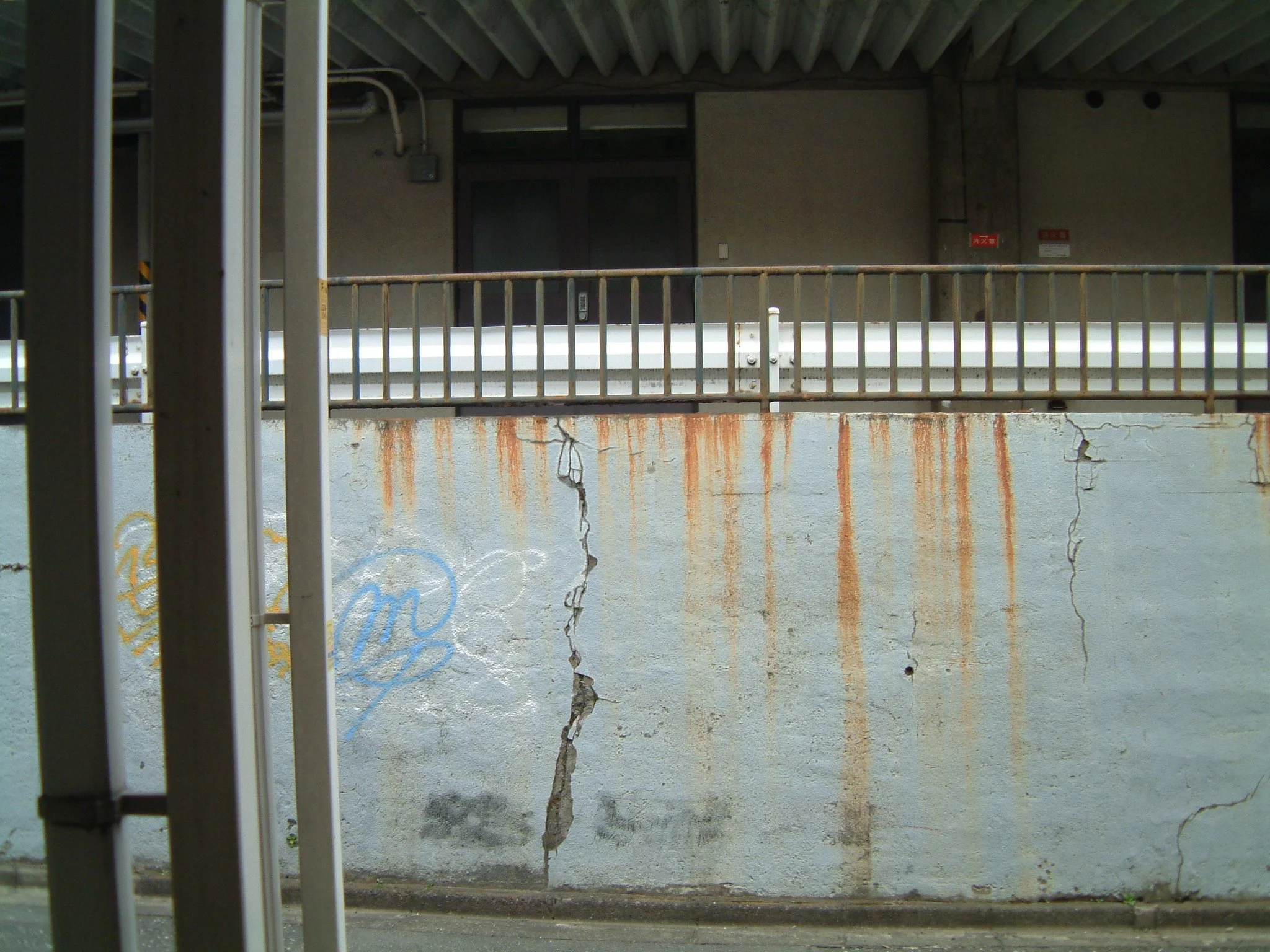
TITLE: Tomigaya Tiger; Open, sesame. Well, actually this is Open, Tomigaya...the view from my front door on a Tokyo backstreet. That wall? Tiger-striped with rust...what is it holding back?
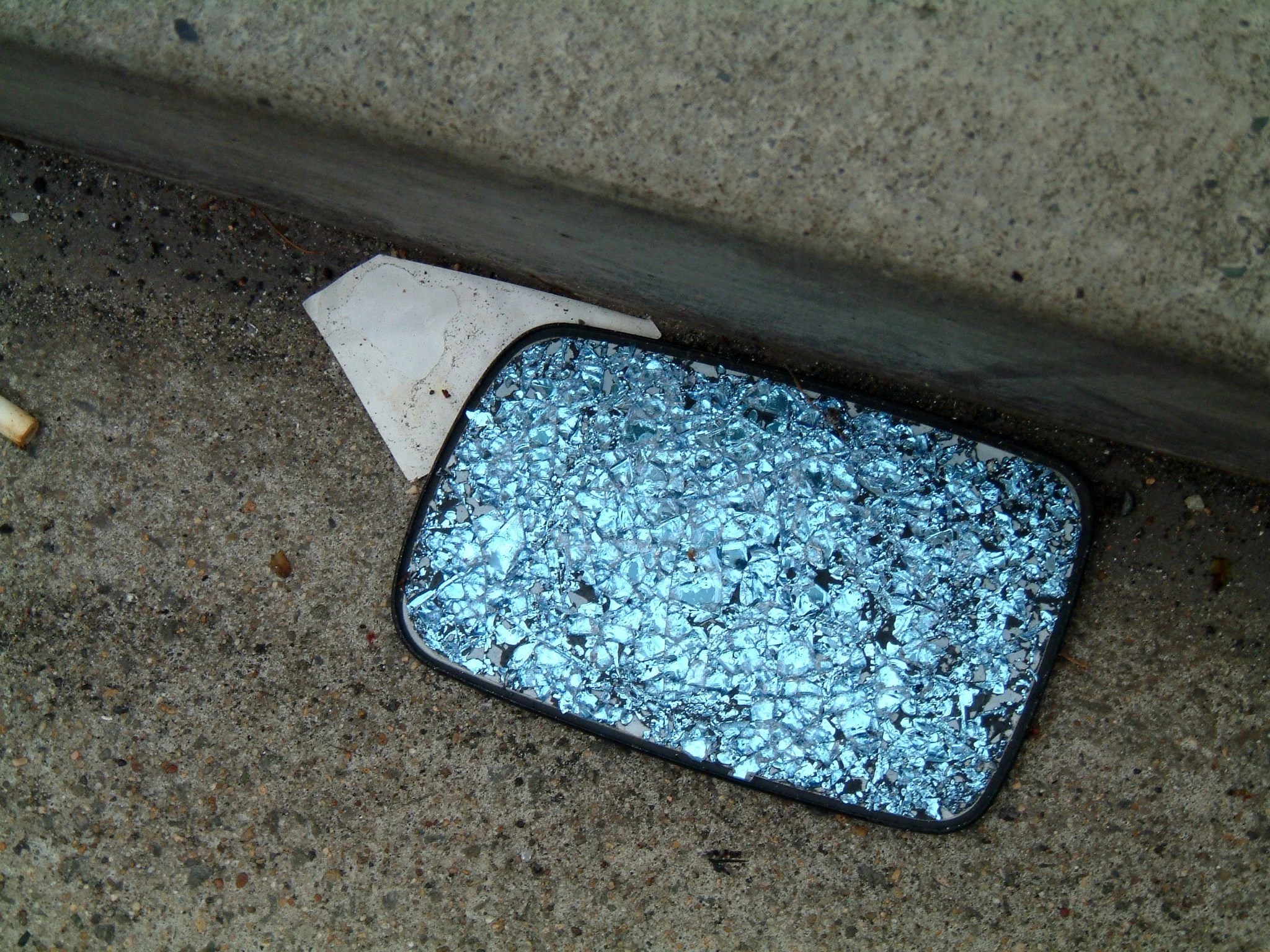
TITLE: Narcissus's New Tokyo Toy Mirror, mirror on the floor, does anybody want you anymore? I do...your view is the most honest...the mosaic self looks back upon me...chimeric, kaleidoscopic, fractal...how wonderful to be multi-faceted!
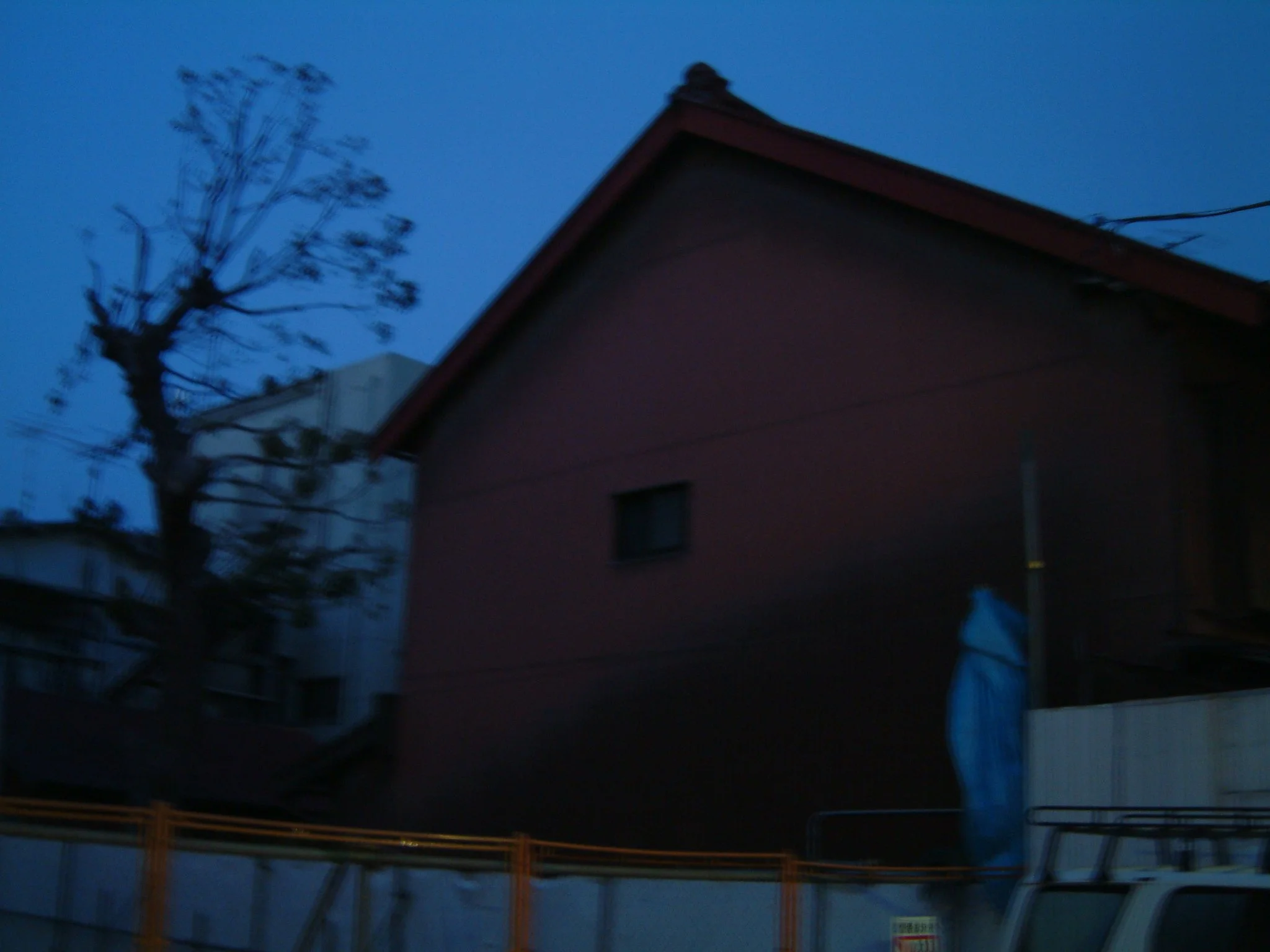
TITLE: Der Blaue Writer; This wintry Tokyo house--red and barn like in the blue light of surrealist time...who lives there? Do I? In another dimension? A writer, writing...while a fire crackles by my side?
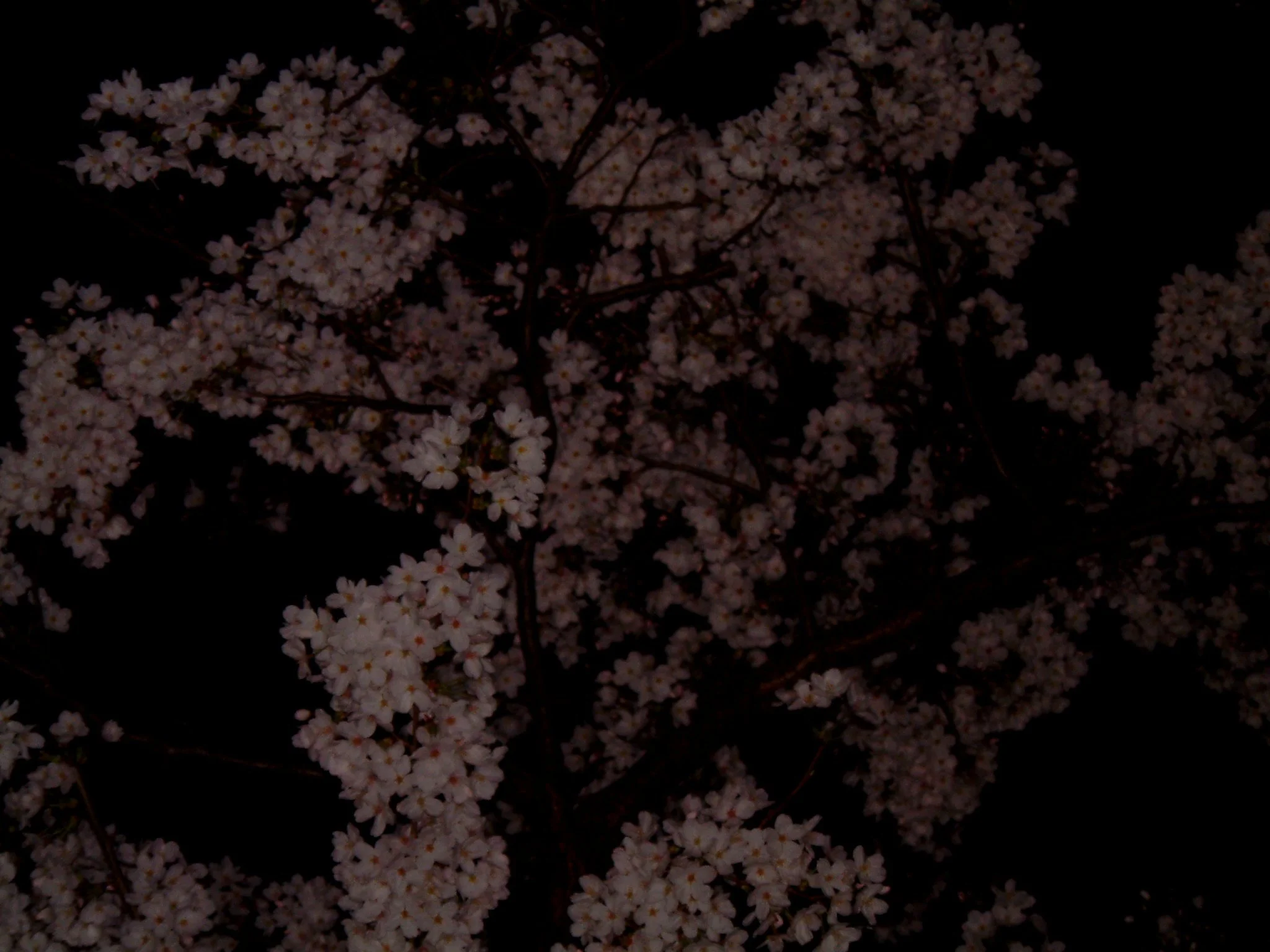
TITLE: Moby-Dick's Underbelly; It is obvious if you look upon the Sakura during the daytime what you are supposed to feel...but seen at night?
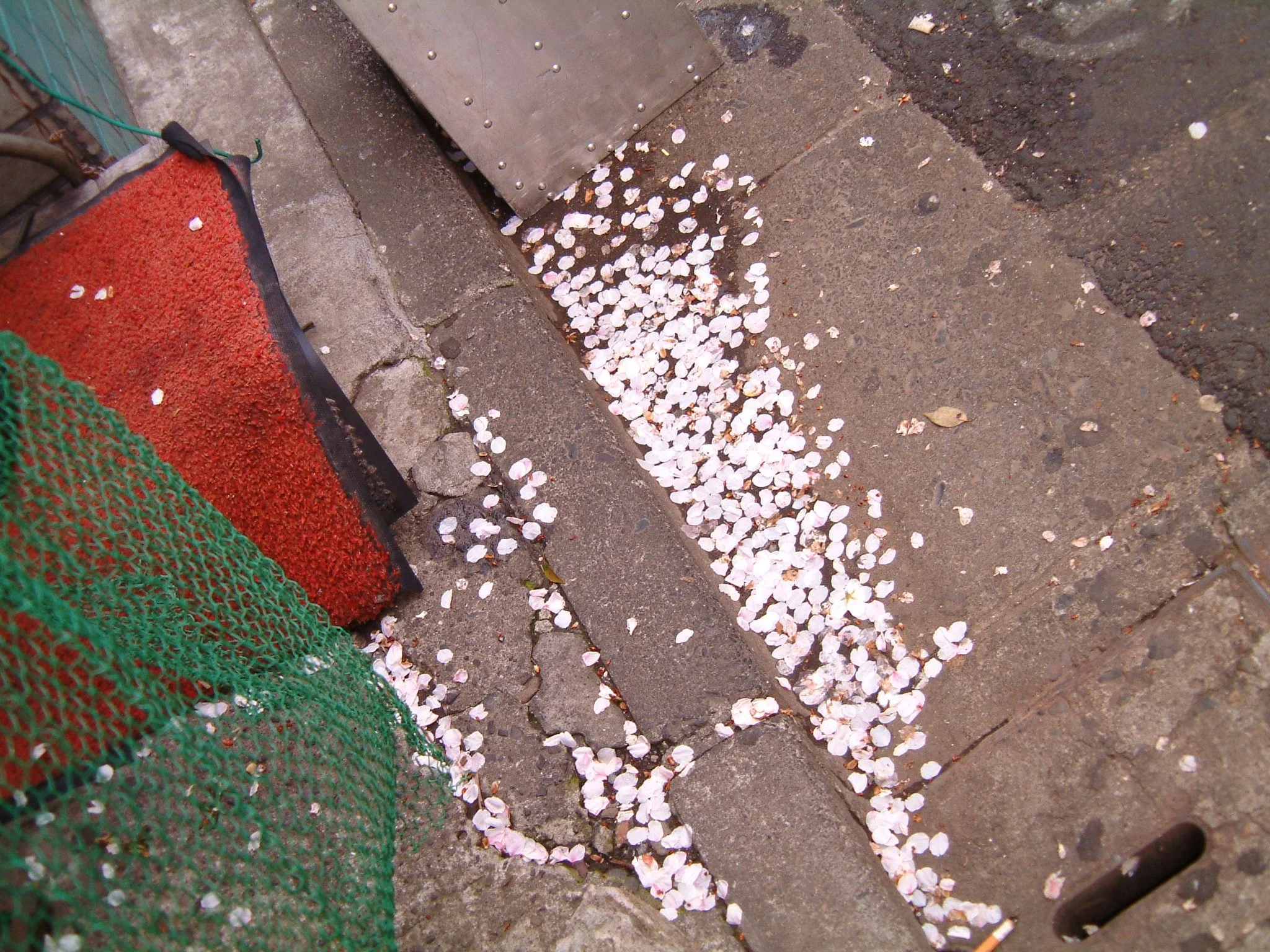
TITLE: Morning After Confetti; This post night-club scene with so much pink drift makes one pause... beauty, you are insurmountable... even here, in a Tokyo gutter, you purify
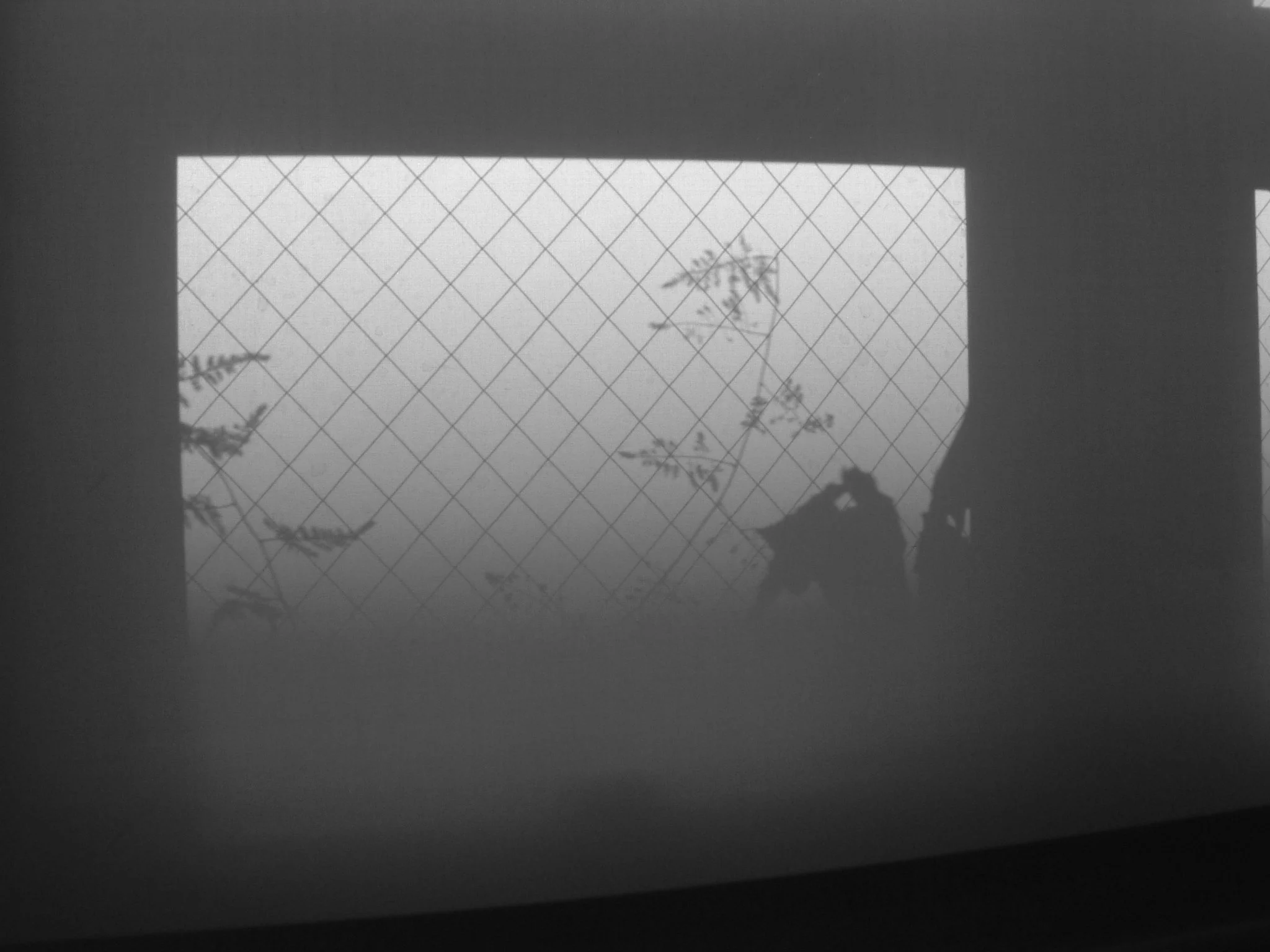
TITLE: Waiting for Godot No defenestration is possible here...no, the liminal portal is more prophylactic than diachronistic... we are trapped, looking at the wayang kulit stage... waiting for Godot? Waiting to go? Waiting? NO! Just enjoy the show!
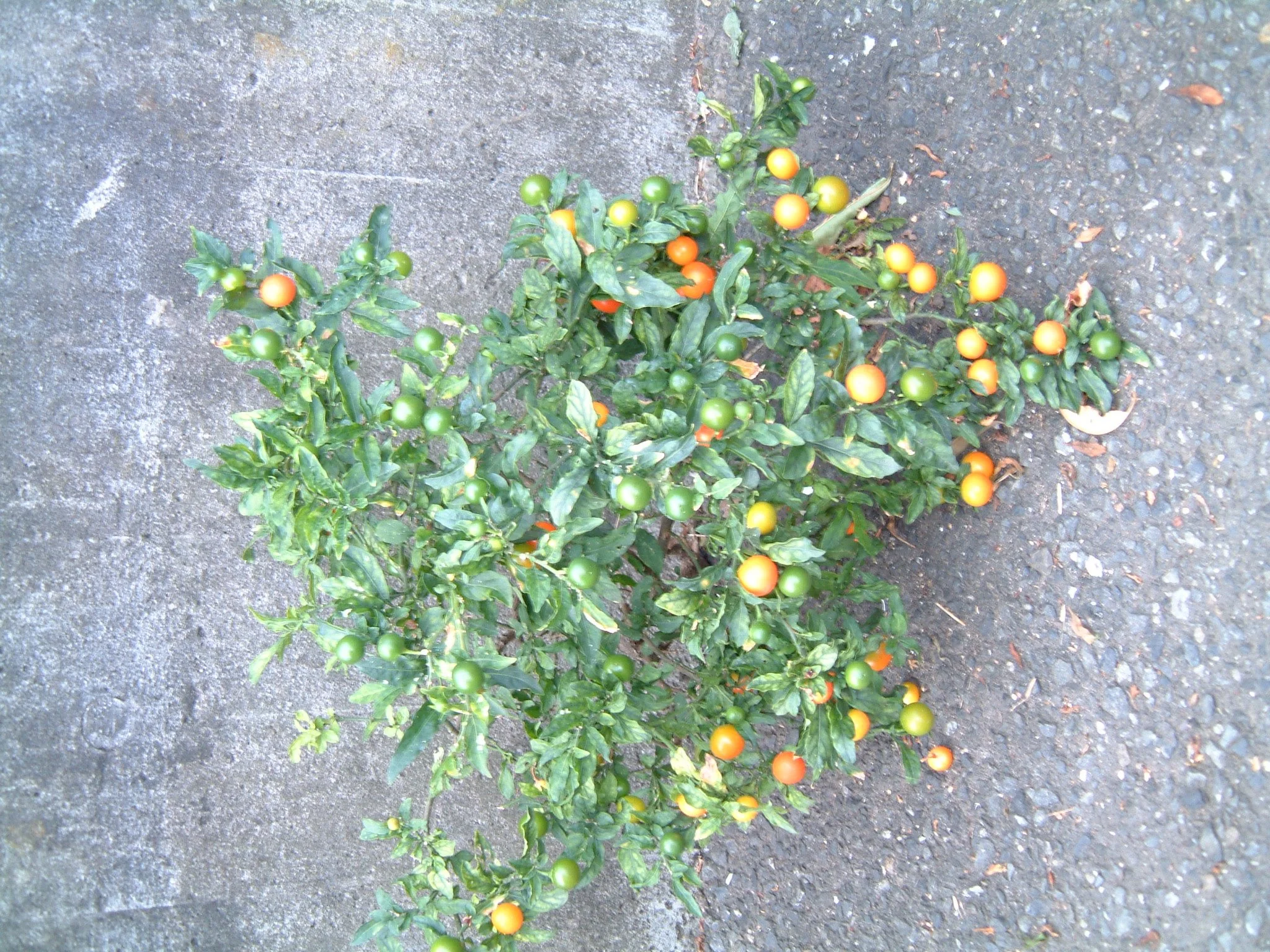
TITLE: Life! Unstoppable life. Edenifying the urban... giving us hope.... giving us beauty.... baptizing the gray wall with the glory of color... suggesting that we, too, may break through walls!
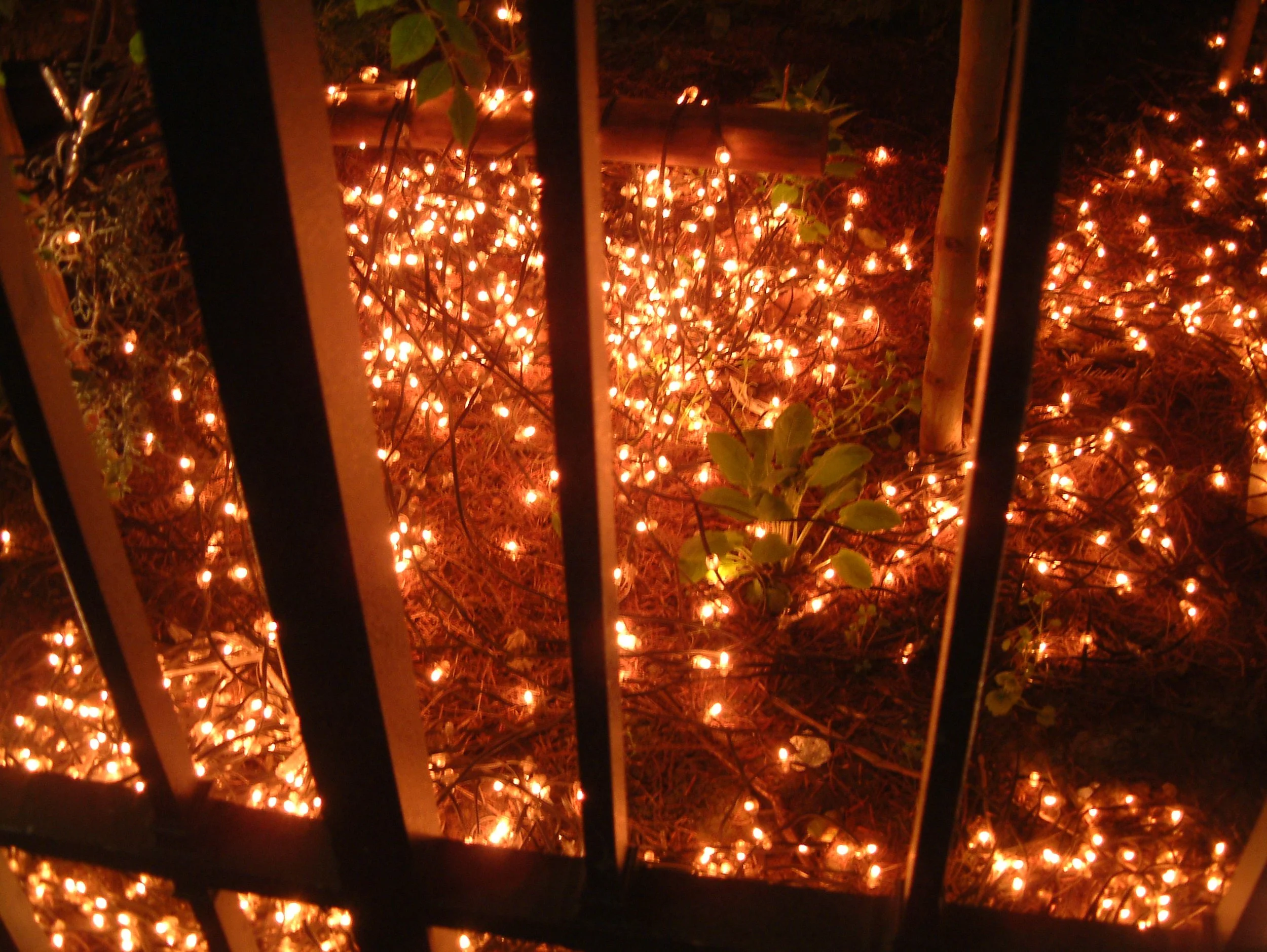
TITLE: Pointillistic carpet of light; These lights... so simple... upon my walk home from work, they gave off more then they will ever know.
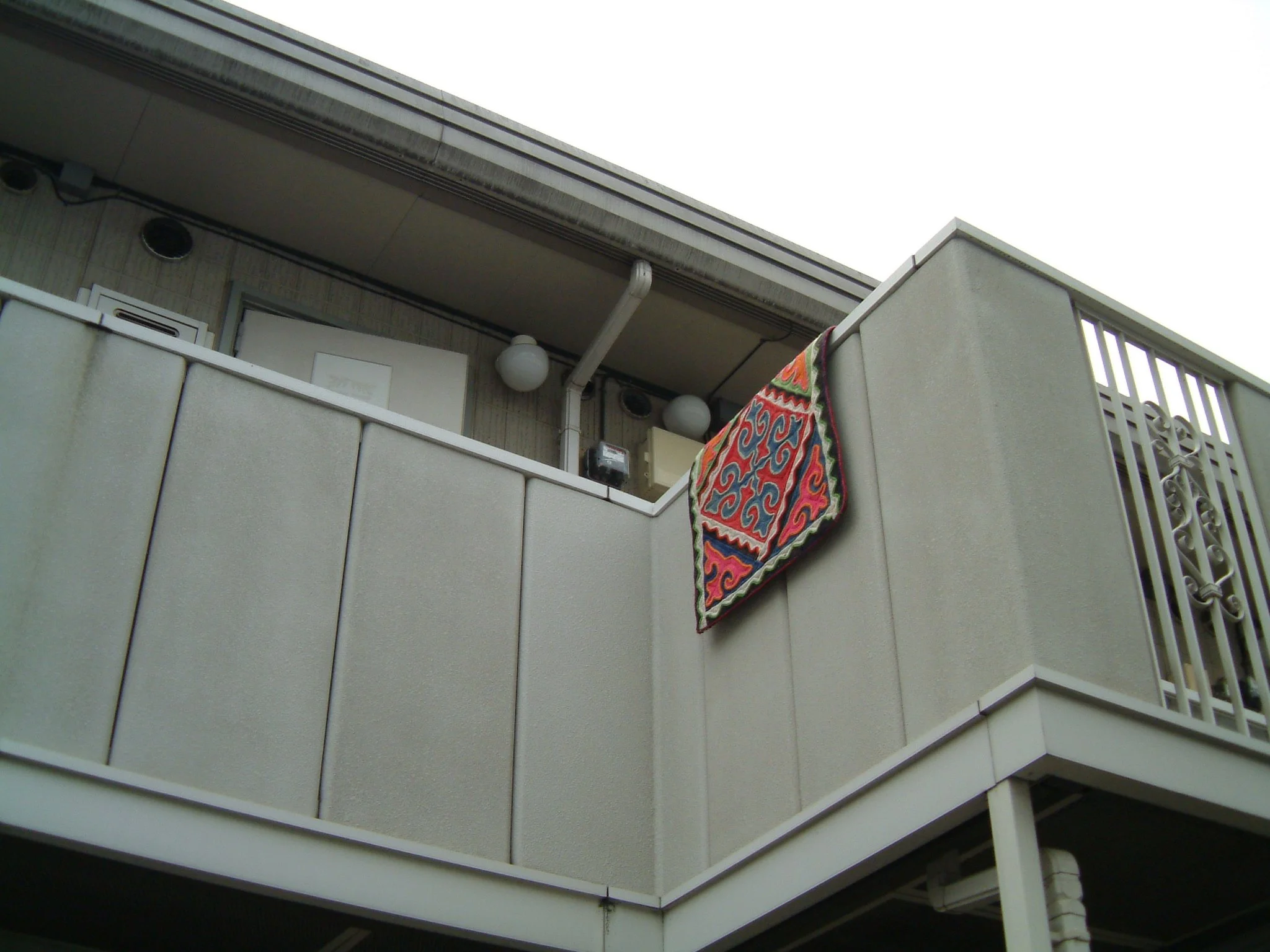
TITLE: Magic Carpet, Desu; This carpet is tired out! She has been flying all over the world! From Tokyo! What has she shown her passenger? What dreams have been seeded?

TITLE: Meteorite Shower on an Orange Planet; Really... what else is there to say?
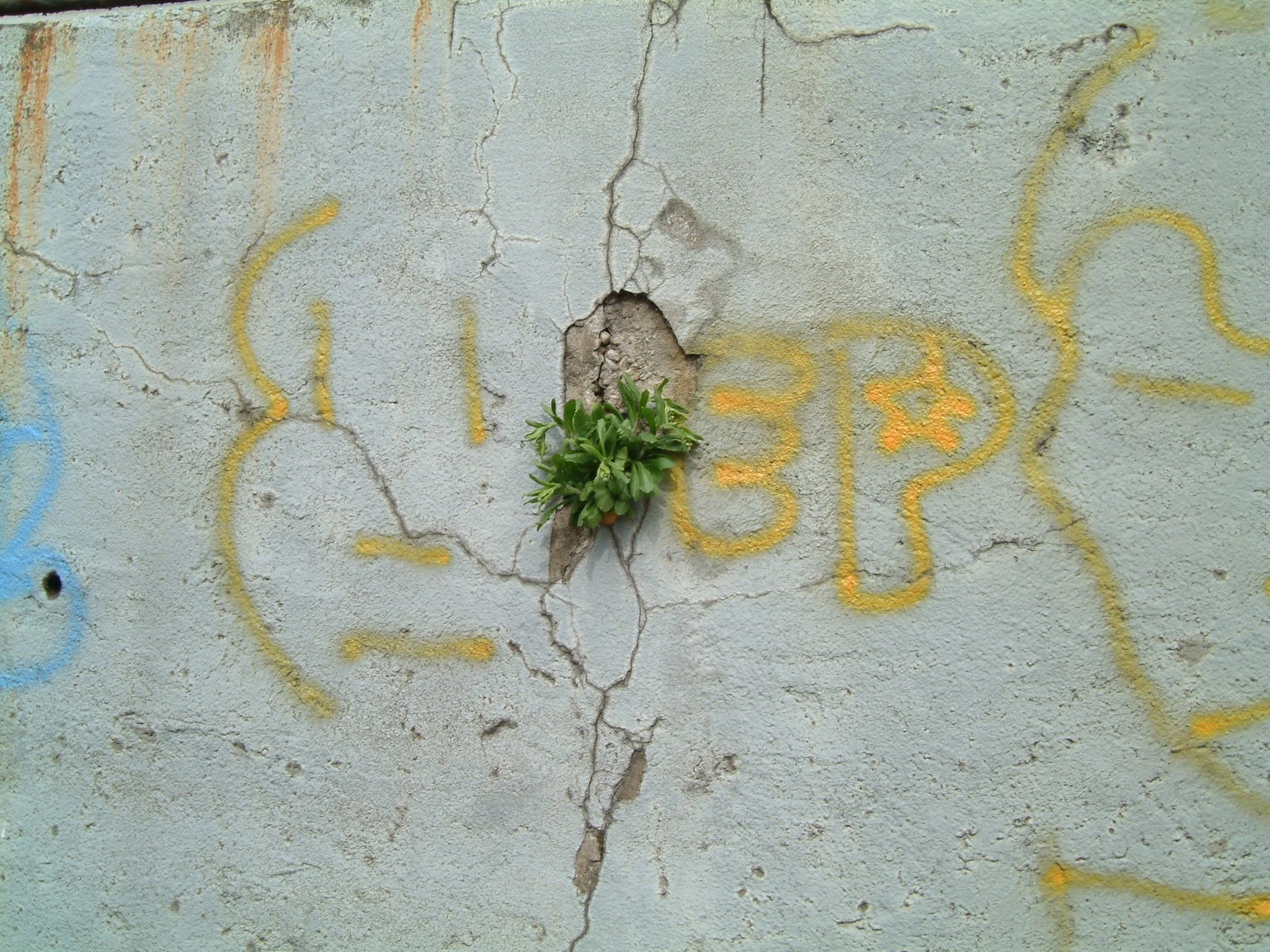
TITLE: I'm talking to you.... This little plant will patiently offer salutations for as long as it takes.
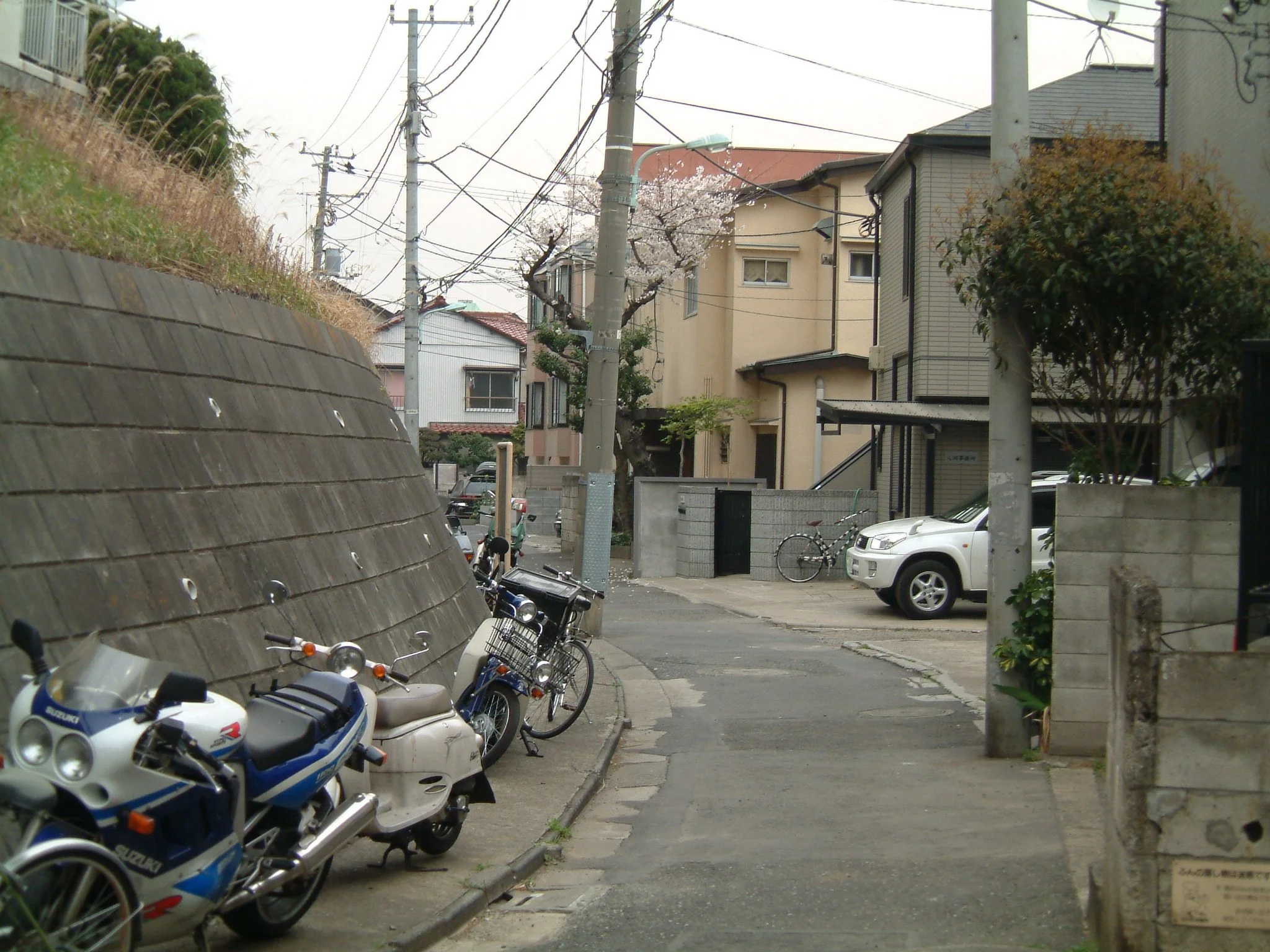
TITLE: Sakura, Preferatta; Not really Latin, I don't think, but I prefer this Sakura anyway. He is kind of hidden and out of the way. Who will see him? He's stationed faithfully on an unimportant street among the power lines... but see how he quietly thrives, working hard to alchemize the ordinary.
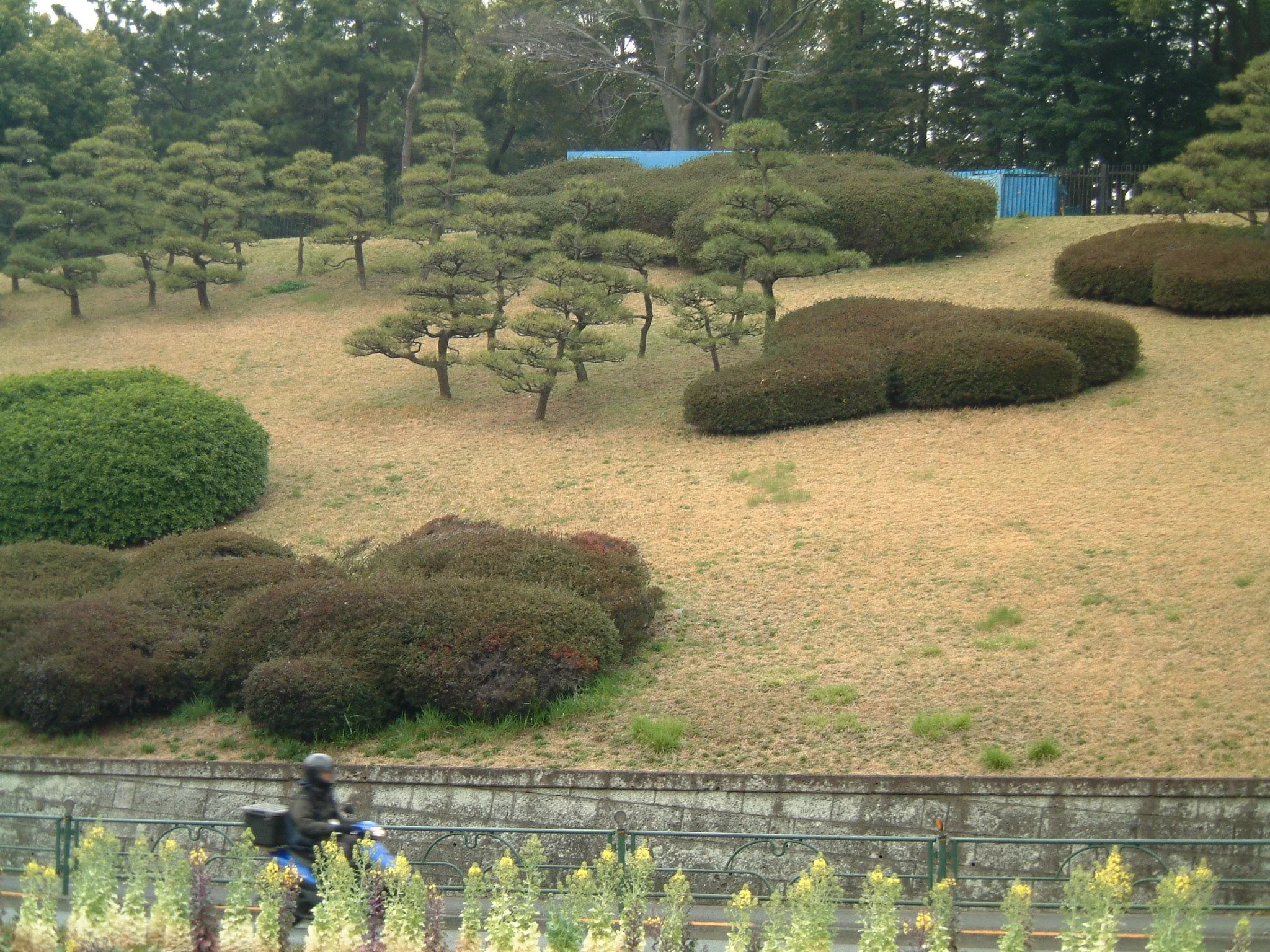
TITLE: Topiary, desu; This is some wonderful shrubbery.
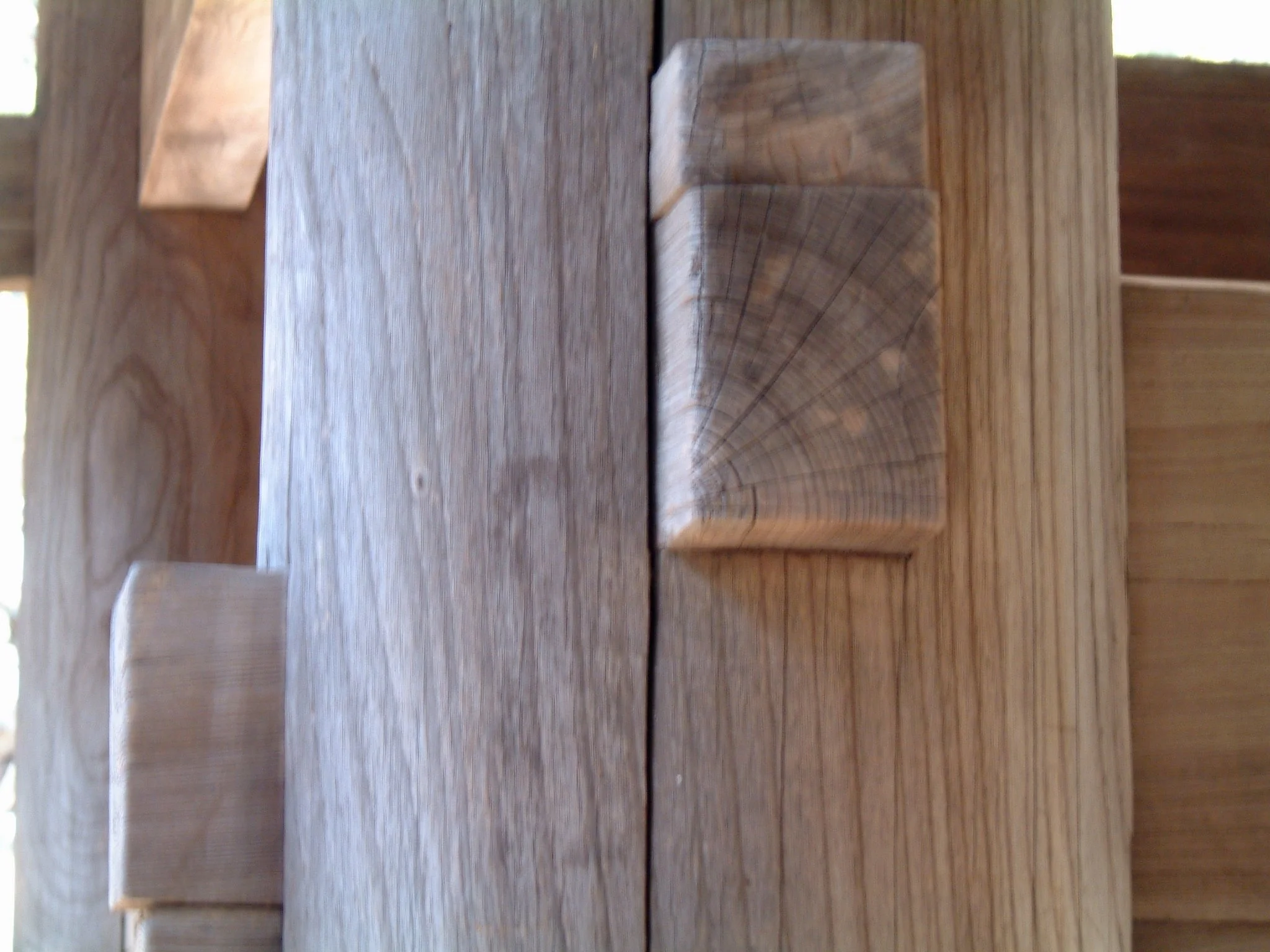
TITLE: Care to join me?
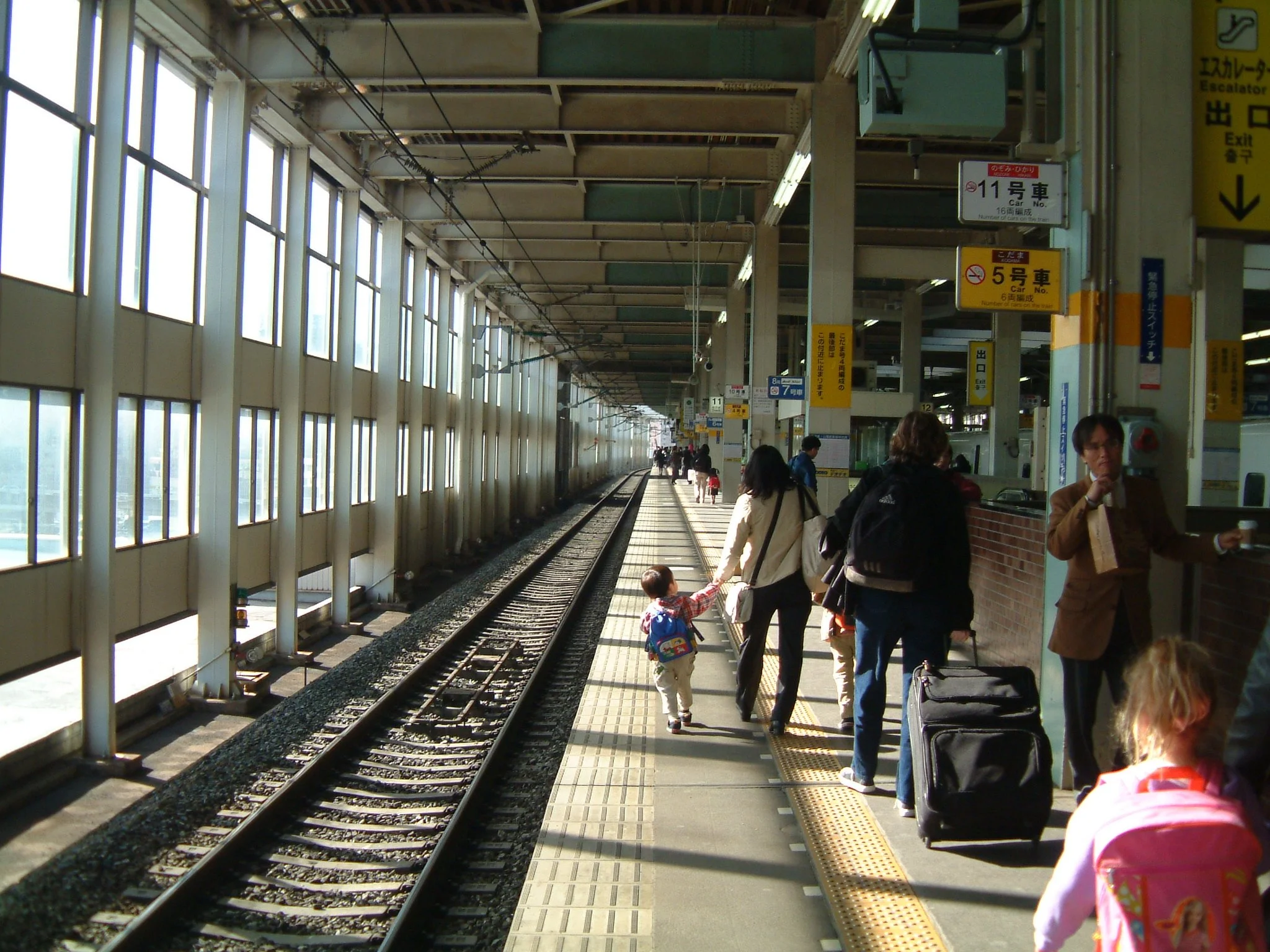
TITLE: Mom, I want to grow up! This picture shows the literal pull of a child's passion for freedom...notice how the mom is saving the child from the corridor of the tracks... he is not ready. In some ways, we never are.
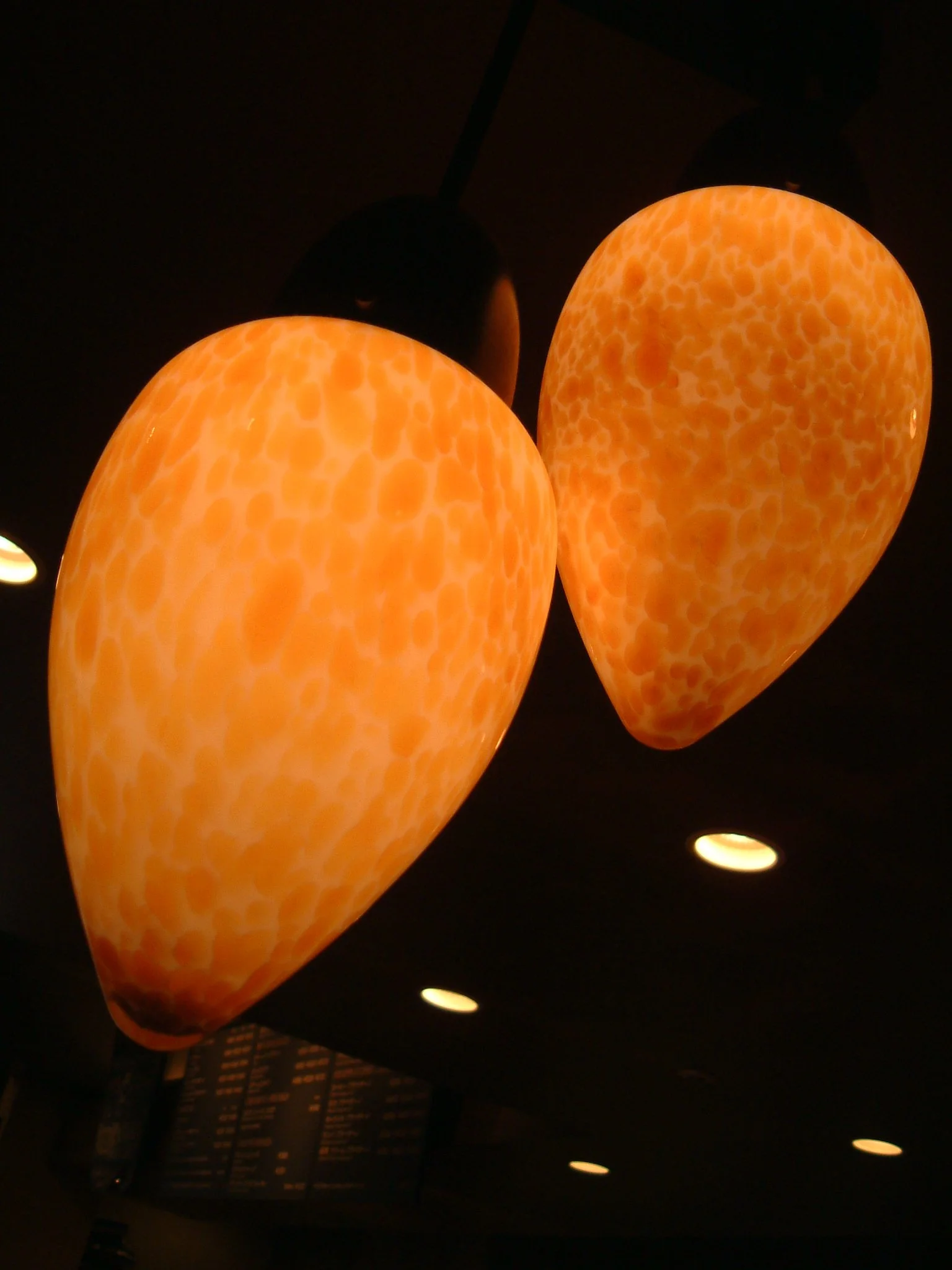
TITLE: Pendulum Lamps in Hiroshima; This, for obvious reasons, is one I debated about.... it breaks my heart... it is too powerful... but then, there is something about the promise of infinite suspension. I must leave the decoding of the visual symbolism to you.
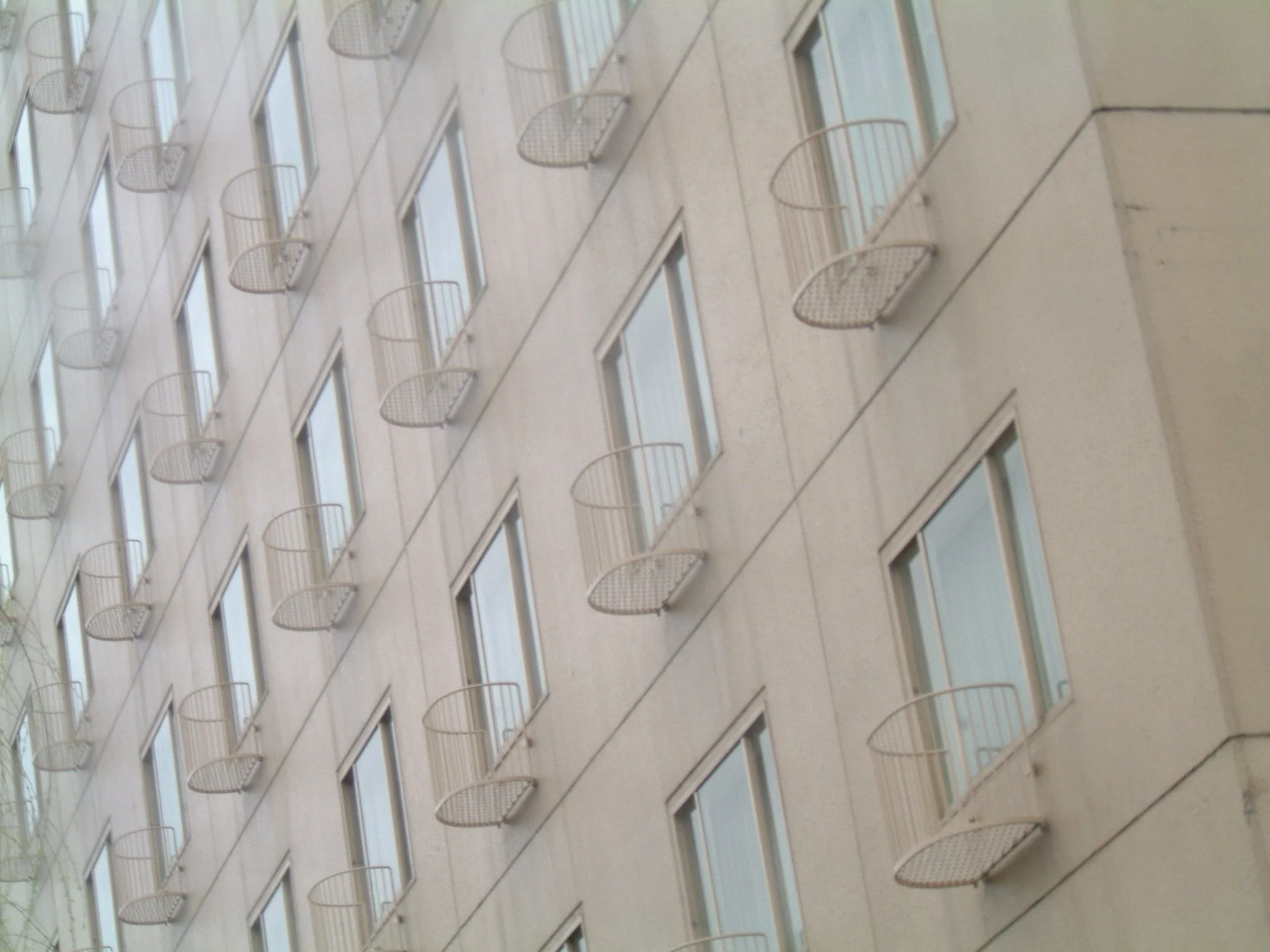
TITLE: Too many Juliets: Romeo? Romeo? ROMEO??? Everyone will wander eventually onto the balcony of beckoning.
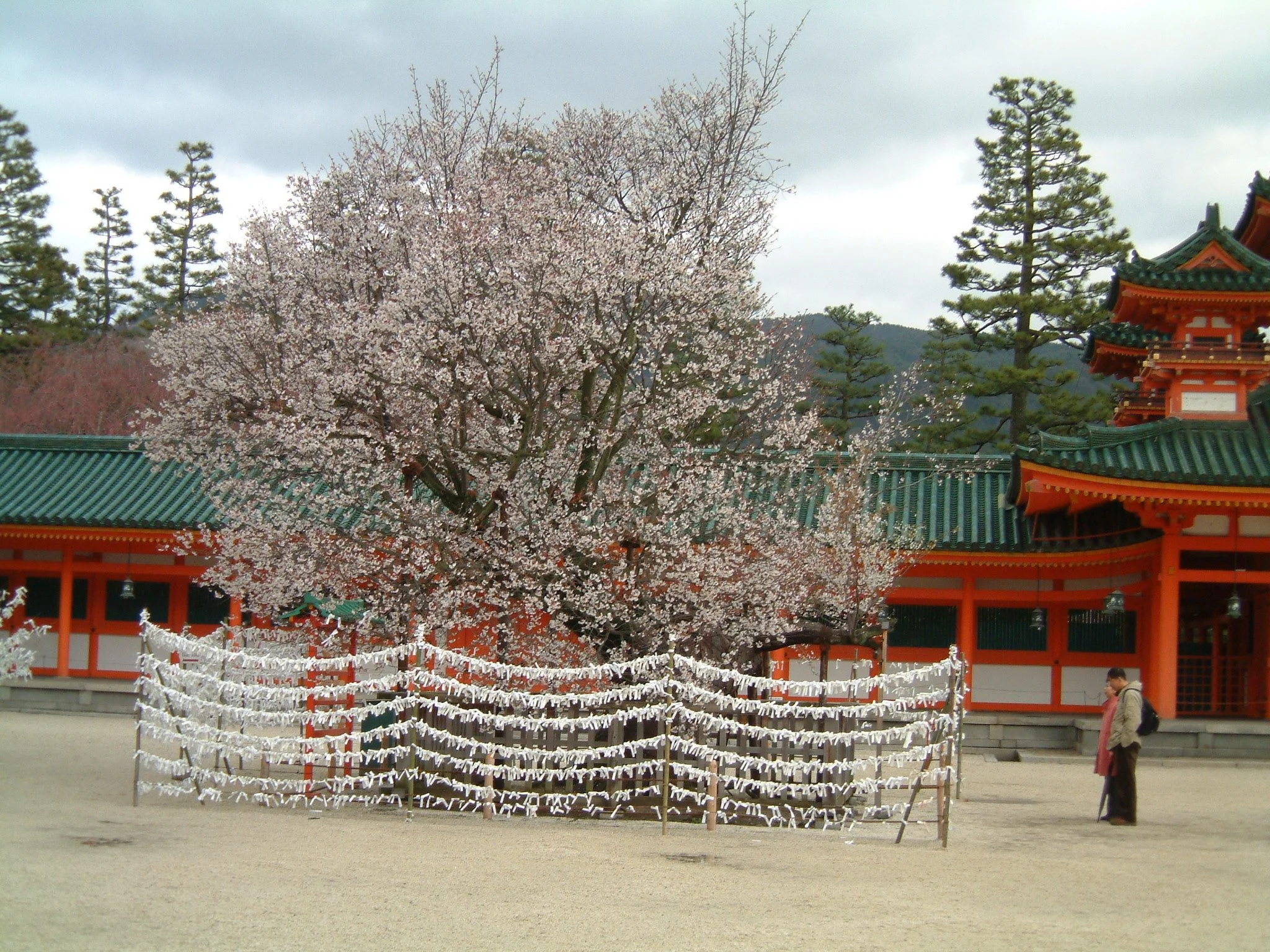
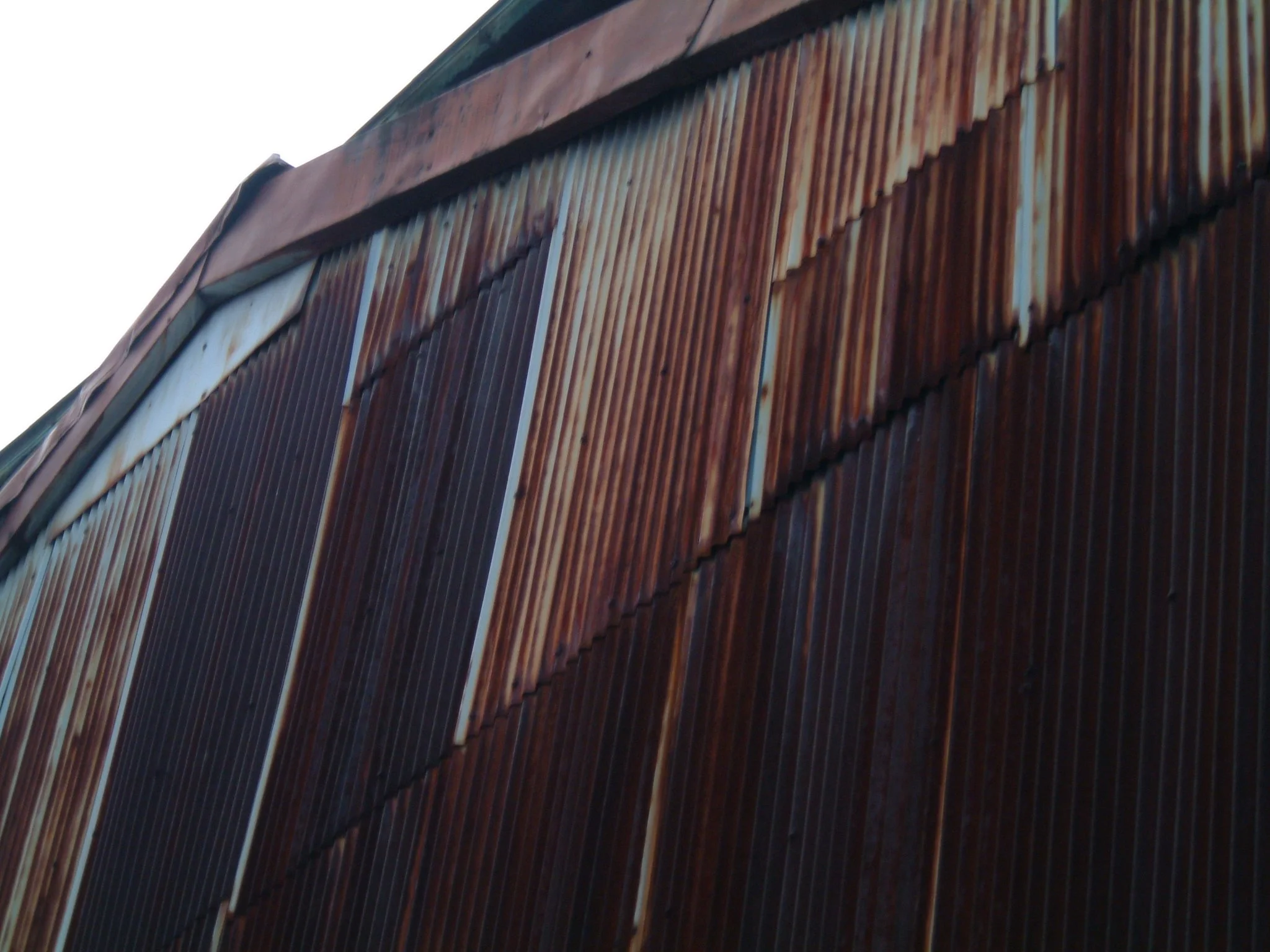
TITLE: Fluted columns of an Industrial Parthenon, Incognito
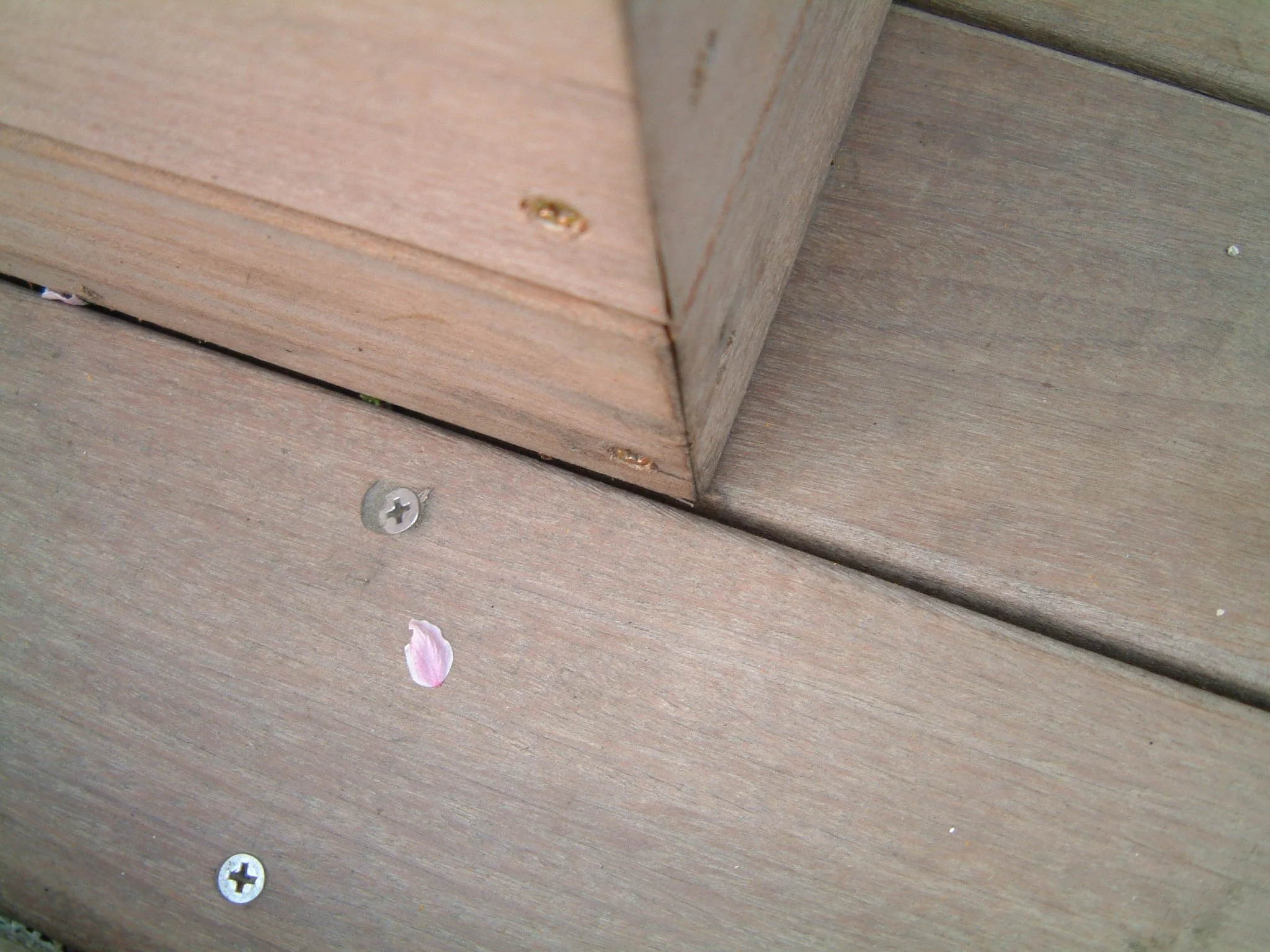
TITLE: Lost Petal

TITLE: Prism made of wood slats
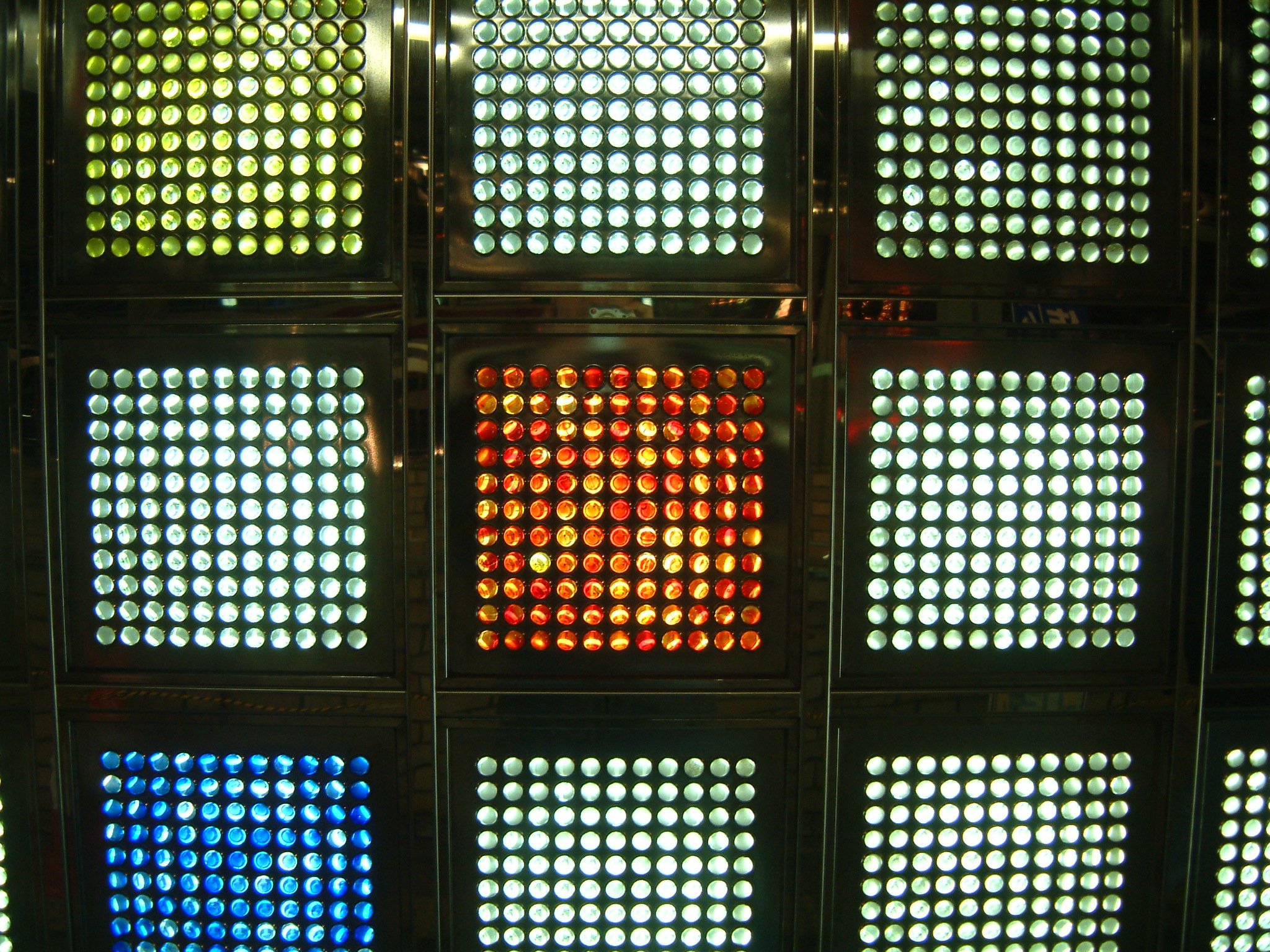
TITLE: What's on TV?
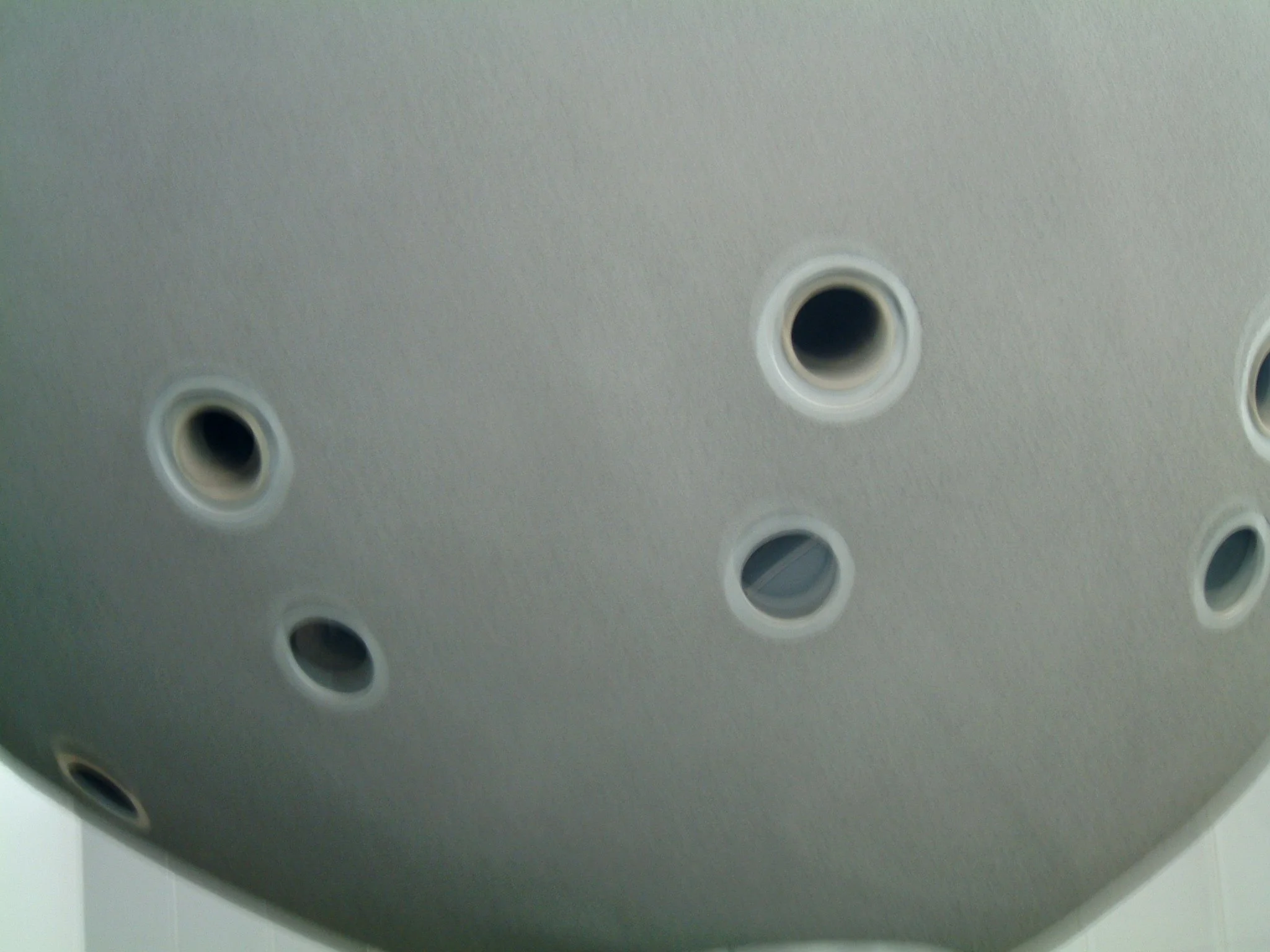
TITLE; Submarine of Democratic Window Heights

TITLE: Blurry clock on a wall; Blurry means don't hurry and don't worry
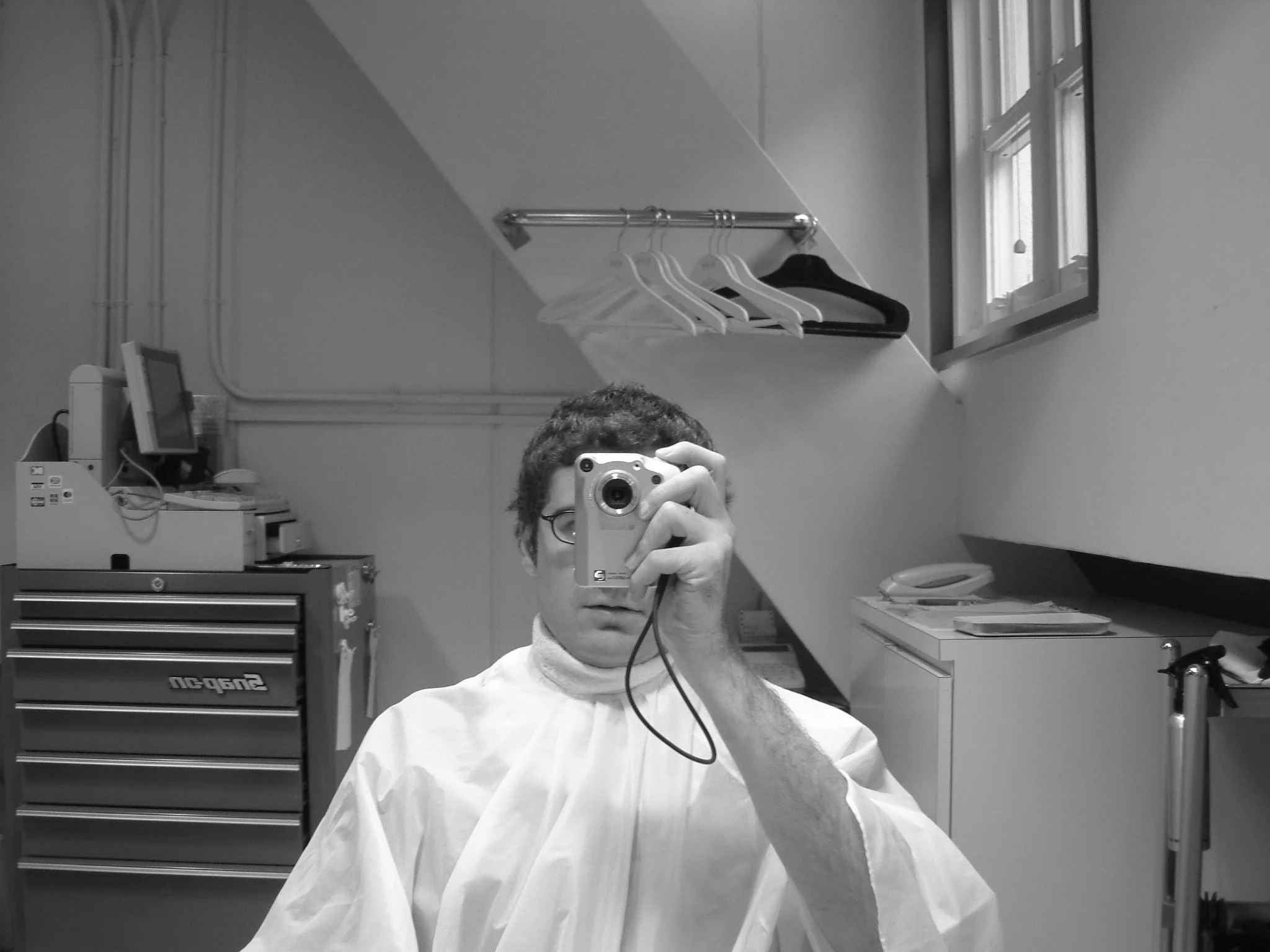
TITLE: Portrait of the Artist Taking a Portrait of the Artist; This was my camera... and me... in a Tokyo salon where Yuka did what she could with the materials she was given.